
Introduction
The concept of har ghar bijli has become one of the most important development goals in modern India. The phrase har ghar bijli means providing electricity to every household across urban and rural regions. Electricity is no longer considered a luxury because har ghar bijli directly impacts education, healthcare, communication, agriculture, and economic growth.
Over the years, the Indian government has launched multiple programs to ensure har ghar bijli reaches even the most remote villages. The mission behind har ghar bijli is to improve living standards and create equal opportunities for every citizen. Reliable electricity allows families to use fans, lights, televisions, mobile chargers, and essential appliances that improve daily life.
The importance of har ghar bijli also goes beyond comfort. Students can study at night, businesses can operate efficiently, and hospitals can provide better services. As India moves toward digital transformation, har ghar bijli plays a major role in ensuring that every household becomes connected to modern opportunities.
The History and Vision Behind Har Ghar Bijli
The journey of har ghar bijli started decades ago when India recognized the need for nationwide electrification. Initially, many rural villages lacked even basic electricity infrastructure. The dream of har ghar bijli was difficult because remote regions faced geographical, financial, and technical challenges.
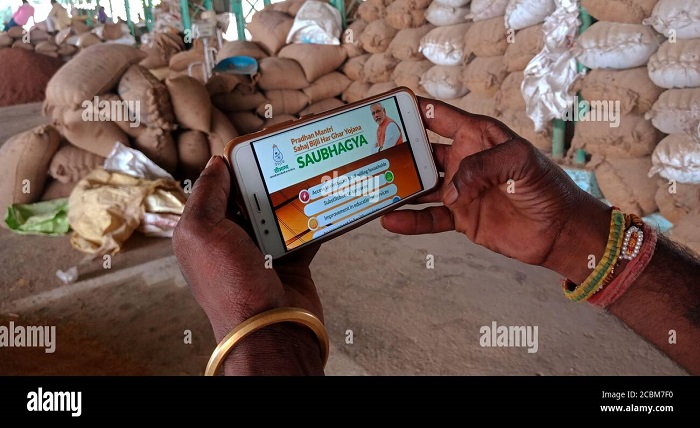
The government introduced several electrification schemes over time to achieve har ghar bijli. Programs like Rajiv Gandhi Grameen Vidyutikaran Yojana and Deen Dayal Upadhyaya Gram Jyoti Yojana laid the foundation for expanding rural power infrastructure. Later, the Saubhagya Scheme accelerated the mission of har ghar bijli by focusing on household-level connectivity.
The vision behind har ghar bijli is not just about connecting wires to homes. It is about empowering citizens and reducing inequality. When rural families receive electricity under har ghar bijli, they gain access to information, online education, and digital banking services. This creates a pathway toward economic inclusion and social progress.
Today, har ghar bijli is considered a symbol of development and national progress. Electrification has become essential for improving productivity, reducing poverty, and ensuring a better future for coming generations.
How Har Ghar Bijli Benefits Rural Communities
One of the biggest advantages of har ghar bijli is the transformation of rural communities. Before har ghar bijli, many villagers depended on kerosene lamps, candles, or diesel generators. These options were expensive, unhealthy, and inefficient.
With har ghar bijli, households now enjoy safer and brighter lighting. Children can study more effectively during the evening, which improves educational outcomes. Women also benefit from har ghar bijli because household tasks become easier with electric appliances and lighting systems.
Healthcare services improve significantly when har ghar bijli reaches rural areas. Clinics and hospitals can store vaccines properly, operate medical equipment, and provide emergency services. The impact of har ghar bijli becomes especially important during nighttime emergencies and natural disasters.
Farmers also gain major advantages from har ghar bijli. Electric irrigation pumps reduce dependence on diesel fuel and improve agricultural productivity. Small rural businesses benefit from har ghar bijli by operating machinery, refrigeration systems, and digital payment services.
Another major benefit of har ghar bijli is social connectivity. Villagers can use televisions, smartphones, and the internet to stay informed and connected with the world. This access to information helps rural populations participate more actively in economic and social development.
Government Schemes Supporting Har Ghar Bijli
Several government schemes have contributed to the success of har ghar bijli in India. These programs aim to improve electricity generation, transmission, and household connectivity across the country.
The Saubhagya Scheme became one of the most important initiatives supporting har ghar bijli. This scheme focused on providing free electricity connections to poor households. Through this effort, millions of families received access to electricity for the first time under the mission of har ghar bijli.
Another important initiative supporting har ghar bijli is the Deen Dayal Upadhyaya Gram Jyoti Yojana. This program strengthened rural power distribution networks and improved electricity reliability. Without proper infrastructure, achieving har ghar bijli would have been impossible.
State governments have also played an important role in promoting har ghar bijli. Different states launched local electrification drives, subsidy programs, and awareness campaigns to ensure more households adopted electricity connections.
Renewable energy projects are also contributing to har ghar bijli. Solar power systems are being installed in remote regions where traditional grid expansion is difficult. These renewable solutions help achieve sustainable har ghar bijli while reducing environmental impact.
The success of these programs demonstrates how coordinated planning and government commitment can turn the vision of har ghar bijli into reality.
Challenges Faced in Achieving Har Ghar Bijli
Although significant progress has been made, achieving complete har ghar bijli still involves several challenges. One major issue is maintaining reliable electricity supply in remote and rural regions. Some households connected under har ghar bijli still experience frequent power cuts and voltage fluctuations.
Infrastructure development remains expensive for the mission of har ghar bijli. Extending transmission lines to mountainous areas, forests, and isolated villages requires large investments and technical expertise. In some areas, natural disasters also damage power infrastructure and interrupt electricity supply.
Another challenge related to har ghar bijli is affordability. While many households receive electricity connections, paying monthly electricity bills can become difficult for low-income families. Governments often provide subsidies to support economically weaker households under the har ghar bijli mission.
Electricity theft and power losses also create problems for har ghar bijli. Illegal connections reduce the efficiency of power distribution systems and increase financial pressure on electricity providers. Strong monitoring and awareness programs are necessary to improve the sustainability of har ghar bijli.
Environmental concerns are another important issue linked with har ghar bijli. Increasing electricity demand requires more energy generation, which can impact natural resources if not managed sustainably. Renewable energy solutions are becoming essential for balancing development and environmental protection within the har ghar bijli framework.
Despite these challenges, continuous innovation and government support are helping India move closer to universal electrification through har ghar bijli.
The Role of Technology in Har Ghar Bijli
Technology plays a major role in the success of har ghar bijli initiatives across India. Modern power distribution systems help improve efficiency, reduce losses, and ensure reliable electricity supply to households.
Smart meters are becoming an important part of har ghar bijli projects. These devices allow electricity providers to monitor usage patterns and reduce billing errors. Smart technology also helps consumers manage electricity consumption more effectively under the har ghar bijli mission.
Renewable energy technologies are also strengthening har ghar bijli. Solar panels, mini-grids, and battery storage systems provide electricity to remote villages where traditional power lines are difficult to install. These innovations make har ghar bijli more sustainable and environmentally friendly.
Digital platforms have simplified the process of applying for electricity connections under har ghar bijli. Consumers can now submit applications, pay bills, and report issues online. This digital transformation improves transparency and convenience for citizens.
Artificial intelligence and data analytics are also helping improve har ghar bijli infrastructure. Electricity providers use advanced systems to predict power demand, detect faults, and optimize energy distribution. These technologies help ensure smoother operations and better customer service.
As technology continues to evolve, the future of har ghar bijli will become even more efficient, reliable, and sustainable for millions of households.
Economic Impact of Har Ghar Bijli
The economic impact of har ghar bijli is enormous because electricity access directly contributes to productivity and growth. Rural businesses can operate longer hours and use modern equipment after receiving electricity under har ghar bijli.
Small industries benefit significantly from har ghar bijli because reliable electricity reduces operational costs and improves efficiency. Tailoring shops, flour mills, dairy businesses, and repair centers can expand operations with access to power.
Employment opportunities also increase through har ghar bijli. Electrification creates jobs in infrastructure construction, maintenance, renewable energy installation, and electrical services. Skilled technicians and engineers are needed to support the growing power sector connected with har ghar bijli.
Digital businesses and online services become more accessible when har ghar bijli reaches rural areas. Internet access and smartphone charging enable people to participate in e-commerce, freelancing, and digital banking activities. This economic inclusion strengthens local economies and reduces migration to cities.
Education and skill development also improve because of har ghar bijli. Students gain access to online learning resources, computer training, and digital classrooms. Better education contributes to long-term economic development and higher employment potential.
The agricultural sector experiences significant improvements due to har ghar bijli. Electric pumps and storage facilities increase productivity and reduce dependence on expensive fuel. Farmers can preserve crops better and improve market access through refrigeration systems powered by electricity.
Overall, har ghar bijli acts as a foundation for economic progress and national development.
The Future of Har Ghar Bijli in India
The future of har ghar bijli looks promising as India continues investing in energy infrastructure and renewable power solutions. The focus is now shifting from basic connectivity to ensuring high-quality, uninterrupted electricity supply under har ghar bijli.
Smart grids and renewable energy systems are expected to play a larger role in the future of har ghar bijli. Solar and wind energy projects can help meet growing electricity demand while reducing environmental impact. Green energy solutions are becoming essential for sustainable development.
Energy efficiency programs are also supporting the future of har ghar bijli. LED bulbs, energy-efficient appliances, and smart monitoring systems help households reduce electricity consumption and lower costs.
Electric mobility and digital transformation will further increase the importance of har ghar bijli. As electric vehicles, online education, and digital services expand, reliable electricity access becomes even more critical for every household.
Government policies continue to prioritize har ghar bijli because electrification supports social equality and economic growth. Public-private partnerships and technological innovation are expected to improve electricity reliability and service quality in the coming years.
The mission of har ghar bijli is not only about powering homes but also about empowering people. Reliable electricity creates opportunities for education, healthcare, entrepreneurship, and better living standards across the country.
Conclusion
The mission of har ghar bijli has transformed millions of lives across India by providing access to electricity and modern opportunities. From improving education and healthcare to supporting businesses and agriculture, har ghar bijli has become a cornerstone of national development.
Although challenges like infrastructure costs, power reliability, and affordability still exist, continuous efforts are helping India move closer to universal electrification. Government schemes, renewable energy projects, and technological advancements are strengthening the future of har ghar bijli.
The success of har ghar bijli demonstrates how electricity can drive social and economic progress. As India continues investing in sustainable energy solutions, the dream of reliable power for every household will become even stronger.
Ultimately, har ghar bijli represents more than electricity connections. It symbolizes empowerment, equality, and hope for a brighter future for every citizen.
FAQs
1. What does har ghar bijli mean?
Har ghar bijli means providing electricity access to every household across India, including rural and remote regions.
2. Which government scheme supports har ghar bijli?
The Saubhagya Scheme is one of the major government initiatives supporting har ghar bijli by providing electricity connections to households.
3. How does har ghar bijli help rural communities?
Har ghar bijli improves education, healthcare, farming, business opportunities, and overall living standards in rural communities.
4. What challenges does har ghar bijli face?
Some challenges related to har ghar bijli include infrastructure costs, power outages, affordability, and electricity theft.
5. What is the future of har ghar bijli?
The future of har ghar bijli includes renewable energy, smart grids, better infrastructure, and improved electricity reliability for all households.