
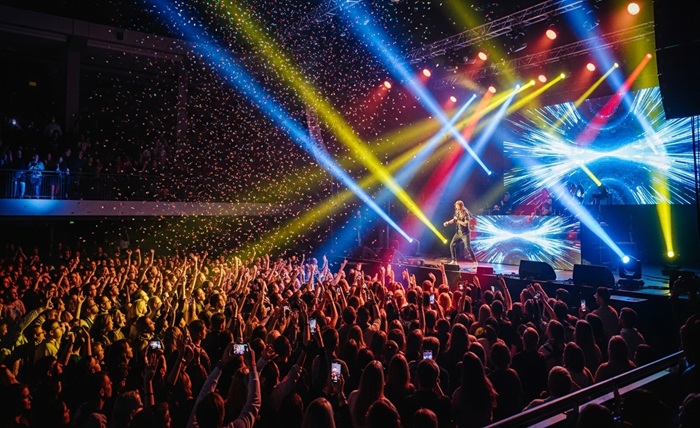
Live entertainment used to depend on physical presence. A concert, festival, theater show, sports event, or comedy night was defined by being there at a specific time, in a specific place, with other people. The value came from scarcity. The event happened once, and the audience carried the memory afterward.
That model still matters, but it no longer explains the full live entertainment economy. Millennials and Gen Z both value live events, yet they approach them through different habits. Millennials often treat concerts and festivals as experiences worth planning for, while Gen Z often connects live entertainment with clips, livestreams, creator reactions, group chats, and mobile entertainment references such as aviator india game inside the same digital flow.
Millennials and the Experience Economy
Millennials helped make experiences a major part of consumer culture. For many of them, concerts, festivals, travel weekends, food events, and cultural activities became alternatives to traditional ownership. When housing, cars, and other long-term purchases became harder to access, experiences offered meaning, memory, and social identity.
A concert or festival became more than entertainment. It was a break from work, a reason to travel, a chance to meet friends, and a story to remember. Millennials often planned around these events. Tickets, transport, outfits, accommodation, and time off work turned live entertainment into a structured activity.
This planning gave the event value before it even happened. Anticipation became part of the purchase. The event itself created memory, and photos or posts helped preserve it. For Millennials, live entertainment often functions as a marker of life lived outside routine.
Gen Z and the Live Event as Content Source
Gen Z also attends concerts and festivals, but the role of the event is different. A live show is not only something to experience. It is also something to record, share, comment on, and place inside a digital identity.
A concert clip can travel across feeds within minutes. A performer’s entrance, outfit, crowd reaction, mistake, speech, or surprise guest can become more visible than the full event. For many young audiences, the online afterlife of a live event is part of its value.
This does not mean Gen Z is less present. It means presence now includes documentation and participation. A person at the event may be watching the stage, filming a clip, posting a reaction, checking other angles, and messaging friends at the same time.
The event happens in the venue, but also in the feed.
Festivals as Identity Spaces
Festivals have always combined music, fashion, social life, and status, but digital culture intensified that mix. For Millennials, festivals often represented escape, freedom, and group memory. They were places to disconnect from routine and enter a shared environment.
For Gen Z, festivals also function as identity spaces. Outfits, short videos, crowd clips, food choices, makeup, locations, and friend groups can all become part of self-presentation. The festival is not only watched or attended. It is performed through the phone.
This has changed how festivals are designed. Visual installations, branded areas, photo zones, and shareable moments now matter because they extend the event online. The physical experience is shaped by its digital circulation.
A festival must now work for the body and for the camera.
Livestreams Changed Access
Livestreams changed the meaning of live entertainment by removing the requirement of physical presence. A fan can watch a concert, festival set, gaming event, interview, or performance from home. This creates access for people who cannot afford tickets, travel, or time away.
For Millennials, livestreams can be a practical substitute. They provide access without the cost and logistics of attendance. A person with work, family duties, or limited budget can still participate in the moment.
For Gen Z, livestreams are often a native format. They are not only substitutes for in-person events. They are their own kind of entertainment. The chat, comments, reactions, donations, clips, and shared viewing can make the livestream feel social.
In this model, “being there” does not always require being in the room. It can mean being present in the conversation.
The Social Layer Around Live Events
The social layer around live entertainment has become as important as the event itself. Before, people discussed a concert or show afterward. Now the discussion happens before, during, and after.
Fans track setlists, predict guests, analyze outfits, compare performances, share crowd videos, and debate whether an event lived up to expectations. A person who did not attend can still feel involved through clips and commentary.
This affects generational behavior. Millennials may still prioritize the event as a complete experience. Gen Z may consume the event through fragments and reactions even if they are not attending. A festival can become culturally relevant to someone who only sees its clips.
Live entertainment is now distributed through audience behavior, not only through official coverage.
Cost Shapes Generational Choices
Cost is a major factor in live entertainment. Tickets, travel, fees, food, accommodation, and merchandise can make concerts and festivals expensive. Millennials may still justify the cost as part of the experience economy, especially when the event feels rare or meaningful.
Gen Z faces similar financial pressure but often has less disposable income. This makes livestreams, clips, and online participation more important. A young fan may not attend the event, but they can still follow it through social media and feel part of the cultural moment.
This does not replace the desire to attend. It creates a tiered system: some people buy tickets, some watch livestreams, some follow clips, and some join the conversation afterward.
The live event now has many entry points.
Attention Has Become Divided
At live events, attention is no longer fully directed at the stage. Phones create a second layer of attention. Audiences film, search, post, message, and check reactions while the performance happens.
For Millennials, this can feel like a loss of immersion. They may see excessive filming as a barrier between the audience and the moment. For Gen Z, the phone often feels like part of participation. Recording a moment is not necessarily opposed to experiencing it. It is a way to keep it, share it, and connect it to others.
This difference reflects broader media training. Millennials learned live entertainment as presence. Gen Z learned it as presence plus circulation.
Conclusion: Live Entertainment Now Has Two Lives
Concerts, festivals, and livestreams show how live entertainment differs by generation. Millennials often approach live events as planned experiences that create memory, escape, and social value. Gen Z often treats live entertainment as both an event and a content system, shaped by clips, feeds, livestreams, reactions, and digital identity.
The future will not choose one model. Physical events will remain powerful because they offer sound, crowd energy, risk, and shared timing. Livestreams and social clips will keep expanding access and extending the event beyond the venue.
Live entertainment now has two lives: the moment itself and the digital life that follows it. Millennials may still value the first more deeply, while Gen Z often understands both as part of the same experience.