
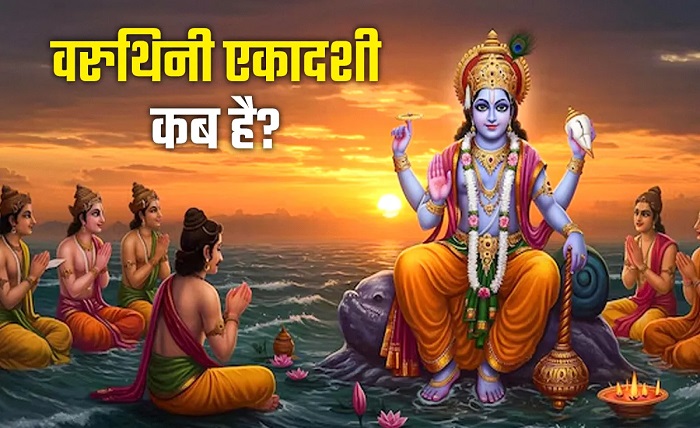
The question gyaras kab hai is commonly searched by devotees who follow Hindu traditions and observe Ekadashi fasts regularly. In Hinduism, Gyaras or Ekadashi is considered one of the most sacred fasting days dedicated to Lord Vishnu. It occurs twice every lunar month according to the Hindu calendar.
People searching for gyaras kab hai usually want to know the exact date, fasting timing, puja rituals, and spiritual significance associated with Ekadashi. Since the Hindu calendar follows lunar cycles, the dates of Gyaras change every month in the Gregorian calendar.
Understanding gyaras kab hai is important for devotees who wish to perform fasting correctly and gain spiritual blessings. Ekadashi fasting is believed to purify the mind, body, and soul while bringing peace, prosperity, and divine protection.
In this complete guide about gyaras kab hai, you will learn about Ekadashi importance, fasting methods, rituals, benefits, and why millions of people observe this holy occasion every year.
What Does Gyaras Mean in Hindu Tradition
The term gyaras kab hai refers to the eleventh day of the lunar fortnight in the Hindu calendar. The word “Gyaras” comes from the Hindi word “gyarah,” which means eleven. Ekadashi occurs on the eleventh day after both the full moon and new moon.
In Hindu scriptures, gyaras kab hai holds great spiritual significance because it is believed that Lord Vishnu blesses devotees who observe fasts with sincerity and devotion.
Devotees asking gyaras kab hai often follow Vaishnav traditions where Ekadashi fasting is considered essential for spiritual discipline. According to mythology, Ekadashi fasting helps destroy negative karma and leads devotees toward moksha or liberation.
Different regions in India celebrate gyaras kab hai with unique customs and rituals. Some communities perform night-long bhajans, while others organize temple prayers and charity events.
The spiritual importance of gyaras kab hai has remained strong for centuries because Ekadashi is believed to strengthen self-control, purity, and devotion toward God.
Importance of Knowing Gyaras Kab Hai
For devotees, understanding gyaras kab hai is extremely important because fasting must be observed on the correct lunar date. Hindu festivals and fasts are deeply connected with precise timings known as tithi.
People searching gyaras kab hai usually check Panchang calendars or temple announcements to confirm the exact fasting date. Even a slight timing difference may affect fasting rituals and breaking the fast.
Religious followers believe that observing gyaras kab hai properly brings spiritual growth and removes obstacles from life. Lord Vishnu is worshipped during Ekadashi because he is considered the protector of the universe.
Another reason why devotees search for gyaras kab hai is because different Ekadashi fasts have different names and importance. Examples include:
- Nirjala Ekadashi
- Devshayani Ekadashi
- Putrada Ekadashi
- Vaikuntha Ekadashi
- Mohini Ekadashi
Each type of gyaras kab hai has unique religious stories and blessings associated with it.
Families often gather together during gyaras kab hai to perform prayers, read Vishnu Sahasranama, and prepare fasting meals suitable for Ekadashi observance.
Rituals and Traditions Related to Gyaras Kab Hai
Observing rituals correctly during gyaras kab hai is considered very important in Hindu culture. Devotees usually wake up early in the morning, take a holy bath, and begin the day with prayers to Lord Vishnu.
One of the key traditions of gyaras kab hai is fasting. Some devotees observe a strict waterless fast, while others consume fruits, milk, and Ekadashi-approved foods.
Temple visits are another essential practice during gyaras kab hai. Many devotees offer flowers, incense, lamps, and Tulsi leaves to Lord Vishnu.
Reading religious scriptures is also encouraged during gyaras kab hai. Popular spiritual texts include:
- Bhagavad Gita
- Vishnu Purana
- Vishnu Sahasranama
Chanting mantras and bhajans forms an important part of gyaras kab hai celebrations. Many devotees spend the evening singing devotional songs and meditating.
Charity and helping the needy are also considered highly auspicious during gyaras kab hai because acts of kindness are believed to multiply spiritual rewards.
Breaking the fast properly on Dwadashi, the next day after gyaras kab hai, is another essential ritual. Devotees usually break the fast during the prescribed time after offering prayers.
Health and Spiritual Benefits of Gyaras Kab Hai
Apart from religious importance, many people believe that observing gyaras kab hai provides health and mental benefits. Fasting gives the digestive system time to rest and detoxify naturally.
Many spiritual practitioners searching gyaras kab hai believe fasting improves discipline, focus, and emotional control. Avoiding heavy food helps maintain mental clarity during meditation and prayers.
Another spiritual benefit of gyaras kab hai is inner peace. Devotees often experience calmness and positive energy while engaging in devotional activities.
According to Ayurveda, fasting during gyaras kab hai can help balance the body and improve metabolism when done correctly.
People observing gyaras kab hai also avoid negative thoughts, anger, and harmful habits. This helps cultivate purity in both mind and behavior.
The combination of prayer, meditation, and fasting during gyaras kab hai creates a spiritually uplifting experience that strengthens faith and devotion.
Foods Allowed During Gyaras Kab Hai
Food restrictions are an important part of gyaras kab hai fasting traditions. Most devotees avoid grains, rice, onions, garlic, and regular salt during Ekadashi fasting.
Instead, people observing gyaras kab hai consume special fasting foods such as:
- Fruits
- Milk
- Dry fruits
- Sabudana
- Singhara flour
- Kuttu flour
- Potatoes
- Rock salt
Special fasting recipes are commonly prepared during gyaras kab hai, including sabudana khichdi, vrat pakora, fruit salad, and kuttu puri.
Some devotees follow a complete fast during gyaras kab hai by consuming only water or avoiding food entirely.
The simplicity of meals during gyaras kab hai is believed to support spiritual concentration and reduce distractions from worldly desires.
Hydration is important while observing gyaras kab hai, especially for elderly individuals or those fasting for long hours.
Different Types of Ekadashi and Why People Search Gyaras Kab Hai
Throughout the year, there are multiple Ekadashi occasions, which is why devotees frequently search gyaras kab hai every month.
Some famous Ekadashi fasts include:
Nirjala Ekadashi
Nirjala is one of the strictest forms of gyaras kab hai, where devotees avoid both food and water.
Vaikuntha Ekadashi
Vaikuntha gyaras kab hai is especially important in South India and is believed to open the gates of heaven.
Devshayani Ekadashi
This gyaras kab hai marks the beginning of Lord Vishnu’s cosmic sleep period.
Putrada Ekadashi
Devotees observe this gyaras kab hai for blessings related to children and family happiness.
Mohini Ekadashi
This form of gyaras kab hai is associated with spiritual purification and removing sins.
Different Ekadashi occasions make the search term gyaras kab hai highly popular among devotees throughout the year.
How to Check Accurate Gyaras Kab Hai Dates
Many devotees rely on Panchang calendars to know gyaras kab hai accurately. Since lunar timings vary by location and timezone, Ekadashi dates may differ slightly between regions.
People checking gyaras kab hai often use:
- Hindu Panchang apps
- Temple calendars
- Astrological websites
- Religious newspapers
Accuracy is important while searching gyaras kab hai because fasting rules depend on sunrise timing and tithi duration.
Many temples announce gyaras kab hai dates in advance so devotees can prepare properly for fasting and worship.
Following authentic religious sources ensures that gyaras kab hai is observed according to proper tradition and spiritual guidelines.
Conclusion
The search for gyaras kab hai reflects the deep spiritual connection millions of devotees have with Ekadashi fasting and Lord Vishnu worship. Ekadashi is not only a religious observance but also a path toward self-discipline, inner peace, and spiritual growth.
From fasting rituals and special prayers to health benefits and devotional practices, gyaras kab hai holds immense significance in Hindu tradition. Every Ekadashi provides devotees an opportunity to purify their thoughts, strengthen faith, and seek divine blessings.
Whether someone follows strict fasting or simple devotional practices, observing gyaras kab hai with sincerity and devotion is believed to bring positivity, prosperity, and spiritual progress.
FAQs
1. What does gyaras kab hai mean?
gyaras kab hai refers to asking the date and timing of Ekadashi, the eleventh lunar day in the Hindu calendar dedicated to Lord Vishnu.
2. Why is gyaras kab hai important in Hinduism?
gyaras kab hai is important because Ekadashi fasting is believed to remove sins, purify the soul, and bring blessings from Lord Vishnu.
3. What foods are allowed during gyaras kab hai fasting?
During gyaras kab hai, devotees usually consume fruits, milk, sabudana, kuttu flour, potatoes, and rock salt while avoiding grains and regular foods.
4. How often does gyaras kab hai occur?
gyaras kab hai occurs twice every lunar month, resulting in approximately 24 Ekadashi fasts every year.
5. How can I check the exact gyaras kab hai date?
You can check gyaras kab hai through Panchang calendars, temple announcements, Hindu calendar apps, and trusted religious websites.