
Introduction
A lunchnewsletter is becoming one of the most effective ways for businesses, creators, and bloggers to connect with readers during the middle of the day. In today’s fast-moving digital world, people often check emails during lunch breaks, making a lunchnewsletter a powerful marketing tool. Whether you run a small business, a blog, or a large company, creating a valuable lunchnewsletter can help increase engagement, drive traffic, and improve customer relationships.
The popularity of the lunchnewsletter has grown rapidly because audiences want quick, digestible, and useful content during their free time. Instead of long and boring promotional emails, readers prefer informative and entertaining updates that fit naturally into their lunch routine. A well-designed lunchnewsletter can deliver industry news, productivity tips, product updates, recipes, entertainment, or educational content in a simple format.
In this complete guide, you will learn everything about building a successful lunchnewsletter, including content strategy, design tips, audience growth, monetization, and best practices for long-term success.
Why a Lunchnewsletter Matters for Modern Marketing
The rise of email marketing has made the lunchnewsletter an essential communication channel for brands and creators. Unlike social media platforms that rely on changing algorithms, a lunchnewsletter gives direct access to your audience’s inbox. This direct connection helps build trust and stronger engagement over time.
One major reason the lunchnewsletter works so well is timing. Many people check their phones or laptops during lunch breaks. They are more relaxed and willing to consume short-form content during this period. A strategically timed lunchnewsletter can therefore achieve higher open rates and click-through rates than standard promotional emails.
Another benefit of a lunchnewsletter is consistency. Sending a daily or weekly lunchnewsletter keeps your audience connected to your brand. Over time, readers begin expecting your content and may even make it part of their daily routine. This habit-forming approach can significantly improve brand loyalty.
Businesses also use the lunchnewsletter to drive website traffic, promote products, announce offers, and share educational resources. Because the audience voluntarily subscribes, the engagement level is often higher than other digital marketing channels.
How to Create an Effective Lunchnewsletter
Creating a successful lunchnewsletter requires planning, consistency, and audience understanding. The first step is identifying the purpose of your lunchnewsletter. Some newsletters focus on business news, while others provide entertainment, recipes, productivity advice, or industry insights.
The structure of a lunchnewsletter should remain simple and easy to read. Most readers will skim through content during a short break, so concise paragraphs and clear formatting are important. A strong headline is essential because it encourages readers to open the lunchnewsletter.
Content quality is another key factor. Every lunchnewsletter should provide value to the audience. Readers should feel informed, entertained, or inspired after reading your content. Avoid filling the lunchnewsletter with excessive advertisements or unnecessary details.
Personalization can also improve the success of your lunchnewsletter. Including the reader’s name or tailoring recommendations based on interests creates a more engaging experience. Email marketing platforms make personalization easier than ever before.
Finally, consistency is crucial for a lunchnewsletter. Choose a schedule that works for your audience, whether daily, weekly, or biweekly. Reliable delivery helps readers build trust and anticipation.
Best Content Ideas for a Lunchnewsletter
Choosing the right content is one of the most important parts of building a successful lunchnewsletter. Readers expect useful and engaging information that matches the tone of a midday break.
One popular idea for a lunchnewsletter is curated industry news. Many professionals enjoy receiving quick summaries of important updates during lunch hours. This type of lunchnewsletter saves readers time while helping them stay informed.
Another effective option is productivity tips. A lunchnewsletter focused on work-life balance, motivation, and efficiency can attract professionals looking to improve their daily routines. Including actionable advice makes the content more valuable.
Food and recipe content also works well for a lunchnewsletter because it aligns naturally with lunchtime interests. Quick meal ideas, healthy recipes, or restaurant recommendations can keep readers engaged.
Entertainment-focused content is another strong choice for a lunchnewsletter. Short stories, memes, quizzes, trending topics, or fun facts can provide readers with a refreshing mental break during the day.
Educational content is highly effective too. A lunchnewsletter that teaches readers new skills, marketing techniques, or technology updates can establish authority and credibility within a niche.
Designing a Professional Lunchnewsletter
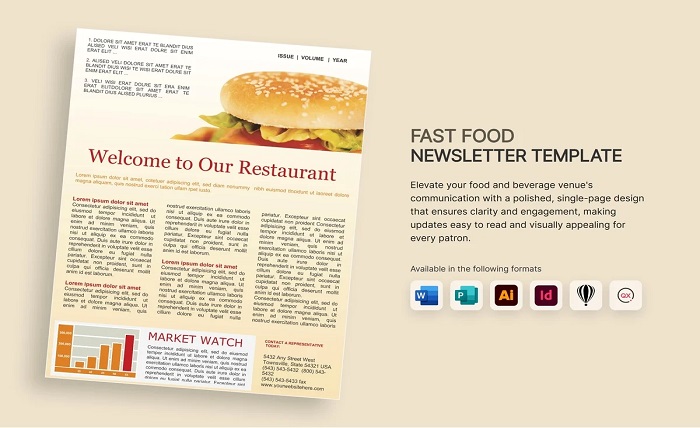
The visual appearance of a lunchnewsletter has a major impact on reader engagement. A clean and professional design makes the content easier to consume and improves the overall experience.
The layout of a lunchnewsletter should be mobile-friendly because many readers check emails on smartphones during lunch breaks. Responsive design ensures the newsletter looks great on all screen sizes.
Color selection also matters for a lunchnewsletter. Using consistent brand colors helps reinforce identity and recognition. However, avoid overwhelming readers with too many bright colors or cluttered visuals.
Typography plays a significant role in the readability of a lunchnewsletter. Simple fonts and clear headings help readers scan content quickly. Since people often read during short breaks, readability should always be a top priority.
Images can make a lunchnewsletter more engaging, but they should be used strategically. High-quality visuals, infographics, or illustrations can improve attention without slowing down loading times.
Call-to-action buttons are another important design element in a lunchnewsletter. Whether encouraging readers to visit a website, purchase a product, or share content, the CTA should be clear and visually noticeable.
Growing Your Lunchnewsletter Audience
Building a loyal audience is essential for the long-term success of a lunchnewsletter. Even the best content cannot succeed without subscribers who regularly engage with your emails.
One of the most effective ways to grow a lunchnewsletter is through social media promotion. Sharing snippets, previews, or highlights encourages followers to subscribe. Platforms like LinkedIn, Instagram, Facebook, and X can all help attract new readers.
Website opt-in forms are another important strategy for a lunchnewsletter. Adding subscription boxes to blog posts, landing pages, and pop-ups can significantly increase subscriber growth.
Offering incentives can also help grow a lunchnewsletter audience. Free eBooks, templates, discount codes, or exclusive resources motivate users to sign up. Readers are more likely to subscribe when they receive immediate value.
Referral programs are especially effective for expanding a lunchnewsletter. Encouraging current subscribers to invite friends can create organic audience growth. Some newsletters reward referrals with premium content or special perks.
Collaborations with influencers or other newsletter creators can further boost the visibility of a lunchnewsletter. Cross-promotions introduce your content to new audiences who may already have similar interests.
Monetizing a Lunchnewsletter Successfully
Many creators and businesses turn a lunchnewsletter into a profitable income stream. With the right strategy, a lunchnewsletter can generate revenue while continuing to provide value to readers.
Sponsorships are one of the most common monetization methods for a lunchnewsletter. Companies pay to feature products or advertisements within newsletters that target relevant audiences. As subscriber numbers grow, sponsorship opportunities become more valuable.
Affiliate marketing is another excellent strategy for a lunchnewsletter. By recommending products or services and earning commissions on sales, newsletter creators can build passive income streams.
Paid subscriptions are increasingly popular for premium lunchnewsletter content. Some creators offer free basic content while charging for exclusive insights, research, or advanced resources.
Selling digital products through a lunchnewsletter is another profitable option. Courses, eBooks, templates, or webinars can be promoted directly to subscribers who already trust the brand.
Businesses also use a lunchnewsletter to support broader sales goals. By nurturing leads and maintaining customer relationships, newsletters can indirectly increase product sales and brand loyalty.
Common Mistakes to Avoid in a Lunchnewsletter
While a lunchnewsletter can be highly effective, certain mistakes can reduce engagement and hurt subscriber growth. Understanding these issues helps improve long-term performance.
One common problem is sending overly long content. Readers usually check a lunchnewsletter during limited free time, so concise and focused information works best. Avoid overwhelming subscribers with excessive text.
Another mistake is inconsistent scheduling. If a lunchnewsletter arrives randomly, readers may lose interest or forget about it entirely. Maintaining a predictable publishing schedule builds trust and habit.
Poor subject lines can also damage the success of a lunchnewsletter. Even excellent content will go unread if subscribers are not motivated to open the email. Clear, interesting, and curiosity-driven subject lines improve open rates.
Too many promotional messages can negatively affect a lunchnewsletter. Readers subscribe for value, not constant sales pitches. A balanced mix of informative and promotional content keeps engagement healthy.
Ignoring analytics is another major mistake. Monitoring open rates, click-through rates, and subscriber behavior helps improve the performance of a lunchnewsletter over time. Data-driven decisions lead to better results.
Future Trends of the Lunchnewsletter Industry
The future of the lunchnewsletter industry looks promising as email marketing continues evolving. New technologies and changing reader habits are shaping how newsletters operate.
Artificial intelligence is already influencing the lunchnewsletter landscape. AI tools help creators personalize content, automate scheduling, and analyze audience behavior more effectively. This makes newsletters smarter and more targeted.
Interactive content is another growing trend in the lunchnewsletter industry. Polls, quizzes, videos, and clickable features create a more engaging reader experience. Interactive newsletters can increase user participation and retention.
Audio-based content may also become more common in a lunchnewsletter. Some readers prefer listening during lunch breaks instead of reading long articles. Integrating short audio summaries could improve accessibility and convenience.
Community-building features are becoming increasingly important for a lunchnewsletter. Many creators are combining newsletters with private groups, discussion forums, or membership communities to strengthen audience relationships.
Niche-focused newsletters are expected to grow rapidly as audiences seek specialized information. Instead of general content, a targeted lunchnewsletter for a specific interest or profession can attract highly loyal readers.
Conclusion
A lunchnewsletter is far more than just another email. It is a powerful communication tool that allows creators, businesses, and marketers to connect with audiences during one of the most active times of the day. By delivering valuable and engaging content, a lunchnewsletter can build trust, increase website traffic, improve customer loyalty, and generate revenue.
Success with a lunchnewsletter depends on understanding your audience, creating high-quality content, maintaining consistent delivery, and optimizing design for readability. Whether you want to grow a brand, educate readers, or create a profitable online business, a well-planned lunchnewsletter can help achieve those goals.
As technology continues evolving, the future of the lunchnewsletter industry will likely include more personalization, interactive features, and niche-focused communities. Those who adapt to these changes early will have the greatest opportunities for long-term growth and success.
FAQs
1. What is a lunchnewsletter?
A lunchnewsletter is an email newsletter typically designed for readers to consume during lunch breaks. It often includes short, engaging, and informative content.
2. Why is a lunchnewsletter effective?
A lunchnewsletter works well because people are more relaxed during lunch hours and more likely to check emails and engage with content.
3. How often should I send a lunchnewsletter?
The best schedule for a lunchnewsletter depends on your audience. Many creators choose weekly or daily delivery for consistent engagement.
4. Can I make money from a lunchnewsletter?
Yes, a lunchnewsletter can generate revenue through sponsorships, affiliate marketing, paid subscriptions, and digital product sales.
5. What type of content works best in a lunchnewsletter?
News updates, productivity tips, entertainment, educational insights, and food-related topics all perform well in a lunchnewsletter.